Open-source phased array radar simulation for Microsoft Fabric
Five simulated AERIS-10 radars tracking a UAV flight path over Kangasala, Finland — streaming detections through real-time sensor fusion and analytics on the Microsoft Fabric platform.
Open Dashboard →A multi-container radar simulation demonstrating real-time sensor fusion and streaming analytics.
A multi-container simulation of five AERIS-10 phased array radars. Each radar runs as an independent process, generating realistic range-Doppler detections for a UAV target traversing Finnish airspace.
Demonstrates how real-time sensor fusion and streaming analytics can be built on Microsoft Fabric — from raw radar returns through detection, fusion, and visualization in a single integrated platform.
Built on the open-source AERIS-10 radar model by NawfalMotii79/PLFM_RADAR, extended with multi-radar orchestration, sensor fusion algorithms, and Fabric integration.
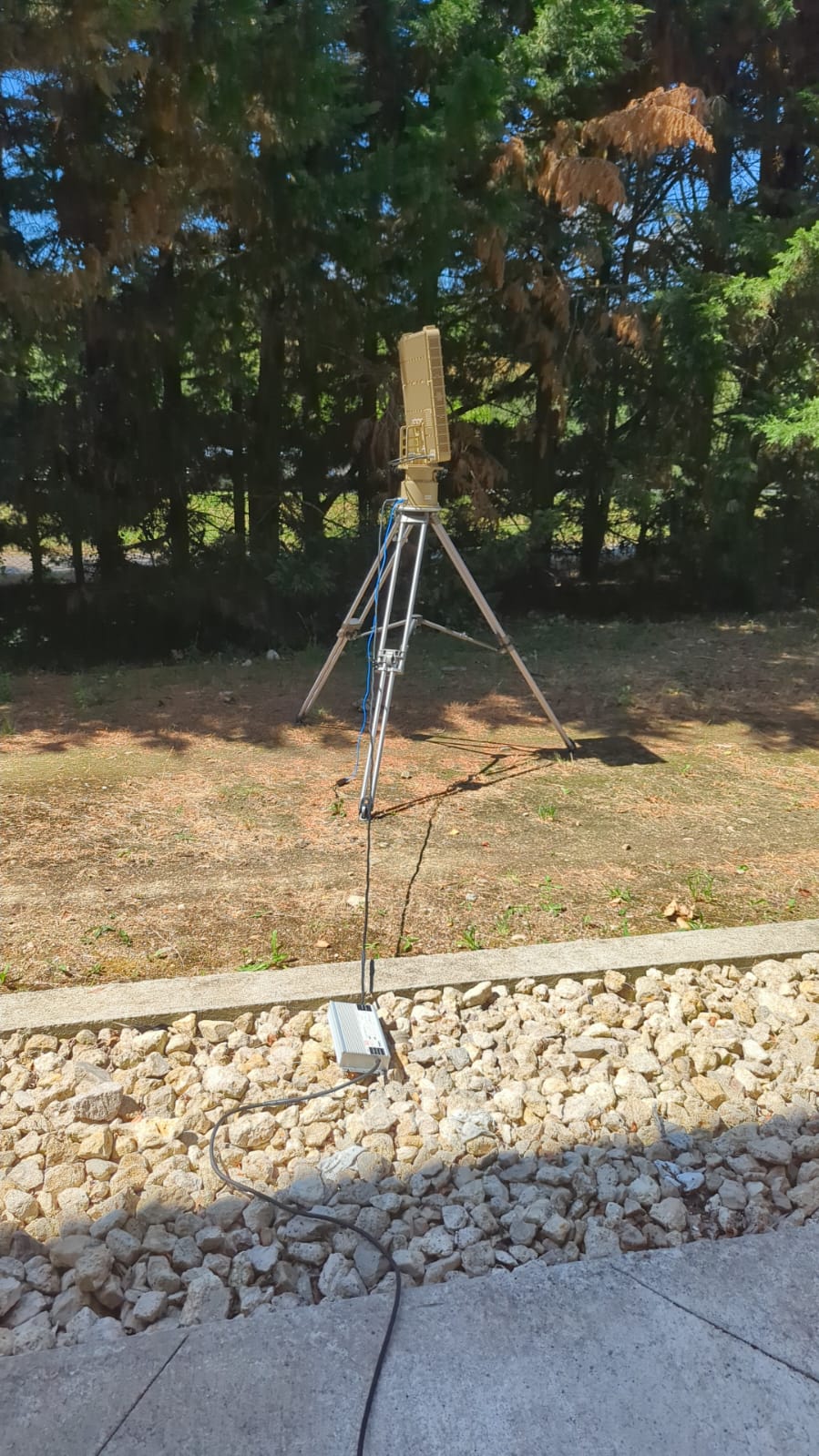
Two AERIS-10 variants provide layered coverage — long-range surveillance and short-range precision.
| Parameter | AERIS-10N (Nexus) | AERIS-10X (Extended) |
|---|---|---|
| Max Range | 3 km | 20 km |
| Frequency | 10.5 GHz | 10.5 GHz |
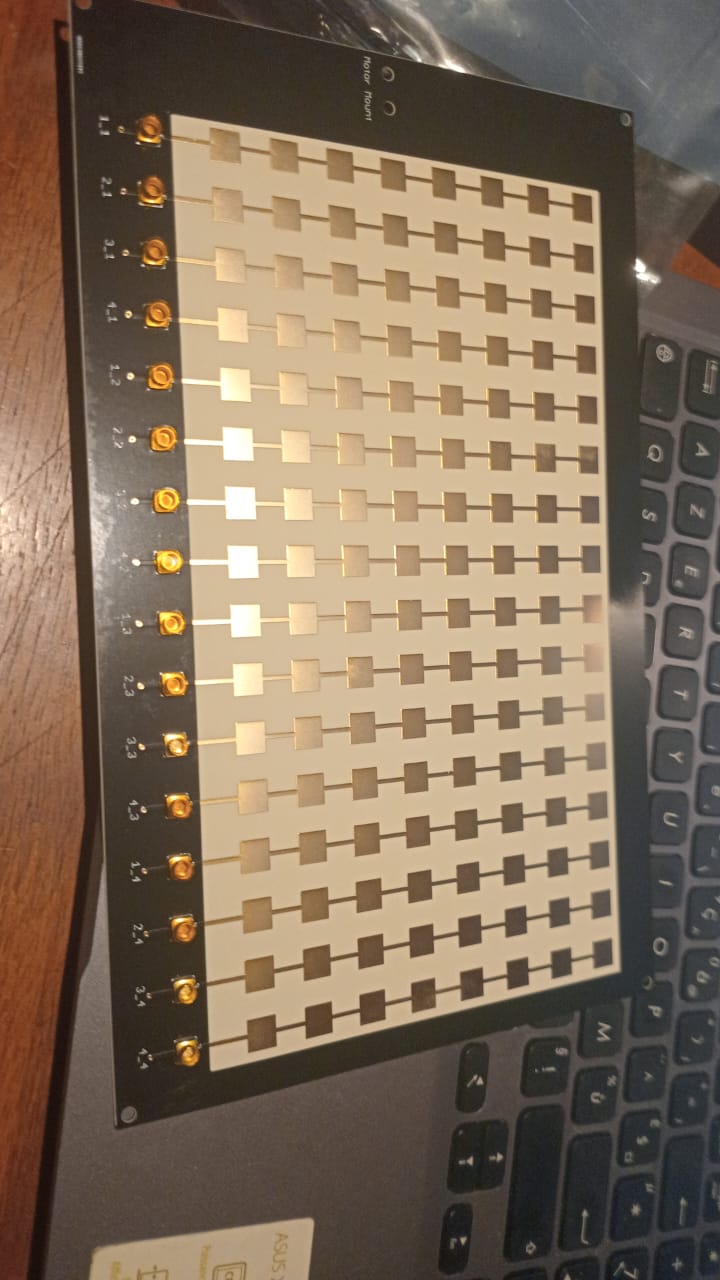
| Antenna | 8×16 Patch Array | 32×16 Slotted Waveguide |
| Beam Steering | ±45° Electronic | ±45° Electronic |
| Output Power | ~16 W (1 W × 16) | ~160 W (10 W × 16 GaN) |
| Range Bins | 64 | 64 |
| Doppler Bins | 32 | 32 |
| Range Resolution | ~47 m | ~312 m |
Five radars positioned around Kangasala, Finland, with overlapping coverage zones tracking a north-to-south UAV flight.
Distributed radars stream detections to a central fusion engine. Fused situational awareness flows to a live dashboard and Microsoft Fabric for real-time and historical analytics.
Insights from running the multi-radar simulation against a realistic UAV flight profile.
20 km radars provide early warning while 3 km radars deliver high-resolution tracking as the target enters their coverage.
Cross-bearing and trilateration from multiple radars dramatically improve position accuracy versus any single sensor.
SNR-weighted position estimation with Geometric Dilution of Precision (GDOP) confidence scoring at each time step.
Each radar runs as an independent Docker container, enabling flexible deployment and horizontal scaling.